Good Food Doesn’t Have to Cost More
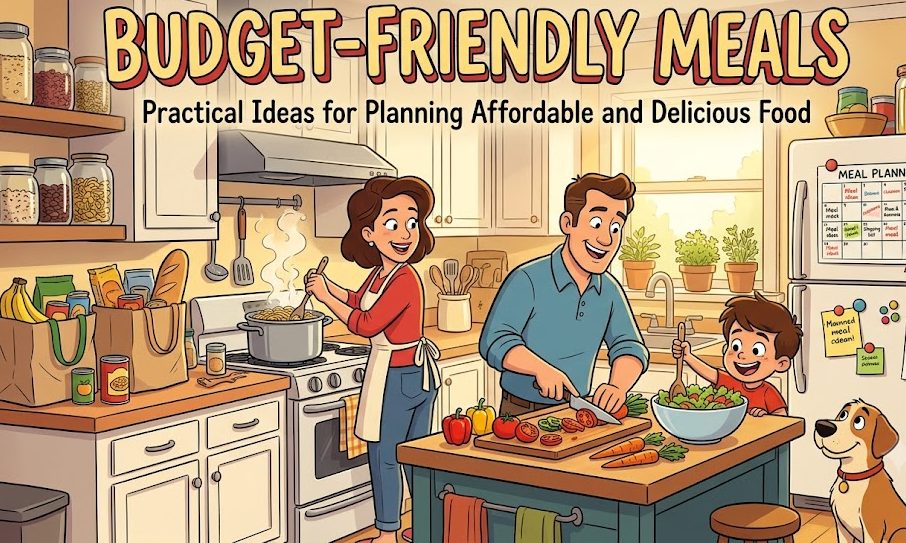
Budget-friendly meals are about making thoughtful choices with the food you already have, shopping with a plan, choosing versatile ingredients, and preparing meals that are both satisfying and practical. You can create enjoyable everyday food without turning every grocery trip into a large expense.
Plan before you spend
One of the simplest ways to control food costs is to decide what you actually need before shopping.
Affordable cooking starts with a system, not a sacrifice.
Eating on a budget does not mean every meal needs to be plain or repetitive. The key is to choose ingredients that can be used in several different meals and to reduce unnecessary purchases.
A few basic staples can become many different dishes when combined with seasonal produce, affordable protein sources, sauces, herbs, spices, and leftovers. This makes your grocery budget work harder while keeping meals interesting.
Three principles for better food budgeting
A simple food budget becomes easier to maintain when your shopping and cooking decisions work together.
Buy Versatile Ingredients
Look for foods that can appear in several meals. Rice, oats, eggs, beans, lentils, potatoes, pasta, vegetables, and other staples can often be combined in many ways.
Plan Around What You Have
Before shopping, check your refrigerator, freezer, and pantry. Building meals around existing ingredients can prevent duplicate purchases and reduce food waste.
Cook More Than One Meal
When practical, prepare components that can be reused. Cooked grains, vegetables, sauces, or proteins can become the foundation of another meal later in the week.
Turn the grocery trip into a simple plan
A shopping list is most useful when it is based on meals, existing ingredients, and realistic quantities.
Check Home
Review what is already available before adding items to the list.
Plan Meals
Pick several meals that share some of the same ingredients.
Write Quantities
Estimate what you can realistically use instead of buying without a clear purpose.
Compare Options
Compare package sizes, store brands, seasonal choices, and unit prices when useful.
Choose ingredients that can stretch across meals
The most useful budget ingredients are often those that can be prepared in multiple ways instead of being limited to one recipe.
Keep a small collection of dependable staples that can form the base of quick meals.
Select protein foods based on your preferences, local prices, storage options, and the meals you plan to make.
Use fresh, frozen, or appropriately stored produce depending on price, availability, season, and how quickly you can use it.
A few flavor-focused ingredients can make basic meals feel different without requiring a completely new shopping list.
Use the “one ingredient, many meals” formula
Instead of purchasing separate ingredients for every recipe, choose a few foods that can move between different meals.
Rice
Serve with vegetables, proteins, beans, sauces, or leftovers.
Eggs
Useful for breakfast, quick meals, sandwiches, rice dishes, and simple dinners.
Vegetables
Roast, sauté, steam, add to soups, mix into grains, or use as a side.
Beans
Add to rice dishes, salads, soups, wraps, bowls, and other meals.
Spices
Change the character of familiar ingredients without buying an entirely new set of foods.
Make leftovers part of the plan
Leftovers are not simply food from yesterday. They can become useful building blocks for another meal. Planning for reuse can reduce waste and save both cooking time and money.
Cooked Grains
Turn leftover rice or grains into bowls, stir-fries, side dishes, or other meals.
Roasted Vegetables
Add them to wraps, eggs, grain bowls, sandwiches, or simple side dishes.
Cooked Protein
Use appropriately stored leftovers in another meal rather than preparing the same component again.
Extra Sauce
A simple sauce or dressing can change the flavor of familiar ingredients and create variety.
Efficient cooking can reduce unnecessary spending
Time pressure often encourages last-minute food purchases. A little preparation can make affordable cooking more convenient.
Batch Prep
Prepare useful components together when practical.
Simple Recipes
Keep several quick meals in your regular rotation.
Shared Ingredients
Choose foods that work in multiple meals.
Kitchen Reset
Clean and reorganize so the next meal starts easily.
Watch for small habits that increase food costs
Not every expensive purchase is avoidable, but recognizing common spending patterns can make a food budget easier to manage.
Duplicate purchases can build up when you do not know what you already have at home.
Purchase realistic quantities when an ingredient has a short storage life.
A larger package is not automatically the better value. Compare the cost per unit when useful.
Ingredients become more valuable when they can be used across several meals.
If leftovers are not likely to be eaten soon, plan how they will be reused or stored appropriately.
A basic list can reduce impulse purchases and help keep attention on actual meal needs.
Example of a simple budget meal rhythm
FLEXIBLE TEMPLATEMake affordable cooking a repeatable habit
The goal is not to create a perfect budget every week. It is to build a routine that makes sensible choices easier.
Track What You Actually Use
Notice which ingredients regularly get finished and which ones are repeatedly wasted. Use that information when planning future trips.
Create a Personal Meal Library
Keep a short list of inexpensive meals your household genuinely enjoys. Familiar recipes make weekly planning much easier.
Review the Budget Regularly
Compare planned spending with actual spending and adjust gradually. Small improvements can be easier to maintain than drastic changes.
Affordable Meals Can Still Be Delicious
Budget-friendly cooking is mainly about making your ingredients work harder. Plan before shopping, check what you already have, choose versatile foods, compare prices when useful, prepare practical meals, and find ways to reuse leftovers. These habits can help reduce waste while keeping everyday food enjoyable.
You do not need to completely redesign the way you eat. Start with one or two changes, learn which meals fit your routine, and gradually build a food-planning system that works for your household, schedule, and budget.