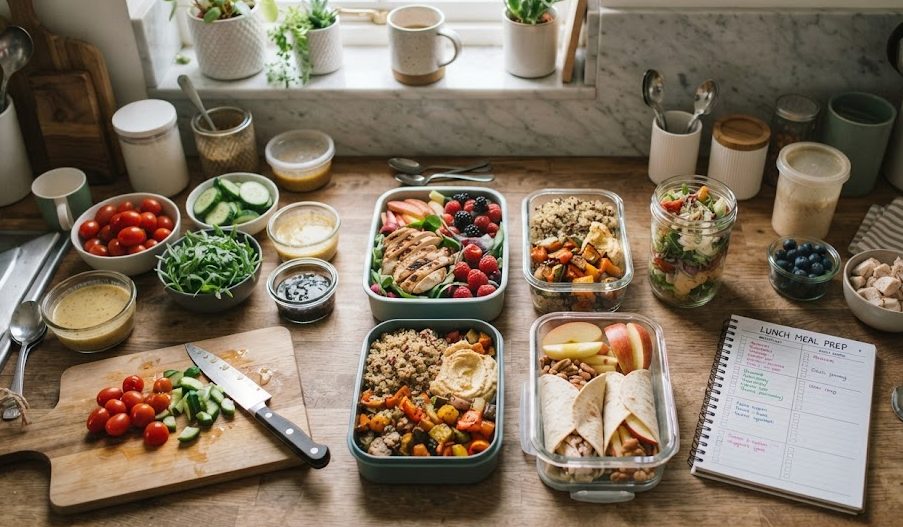
Easy Ways to Plan and Prepare Convenient Homemade Lunches for Busy Days
Busy mornings can make lunch feel like another task on an already crowded schedule. A little planning, however, can make homemade lunches much easier to prepare. With a simple system for choosing meals, preparing ingredients, storing portions, and reusing leftovers, it is possible to create convenient lunches without spending a large amount of time cooking every day.
A homemade lunch does not need to be complicated. It can be as simple as a grain bowl, a sandwich with fresh vegetables, leftover pasta, a wrap, a rice-based meal, or a prepared salad with a suitable protein source. The key is making the process predictable enough that lunch does not require a completely new decision every morning.
Good lunch planning can also help reduce unnecessary food purchases. Ingredients from dinner can become part of the next day’s lunch, vegetables can be prepared in advance, and basic ingredients can be combined in different ways throughout the week. The result is a practical routine that saves both time and effort.
1. Start With a Simple Weekly Lunch Plan
The easiest way to make homemade lunches more convenient is to decide what you are likely to eat before the busy week begins. You do not need a detailed seven-day menu. Even choosing three or four lunch ideas can remove much of the daily decision-making.
Choose Main Meals
Select a few simple meals that can be prepared quickly or assembled from ingredients already available at home.
Check Your Kitchen
Look through the refrigerator, freezer, and pantry before shopping so you can use ingredients you already have.
Prepare Flexible Ingredients
Cook or prepare ingredients that can work in several meals, such as grains, vegetables, sauces, and proteins.
2. Build Lunches Around a Few Basic Components
A useful lunch-planning approach is to think in components rather than complete recipes. A balanced homemade lunch can be built around a main carbohydrate source, a protein-rich food, vegetables or fruit, and a flavorful element such as a sauce or dressing.
Base Ingredients
Rice, pasta, potatoes, whole-grain bread, tortillas, couscous, quinoa, or other grains can provide the foundation for different lunch combinations.
Protein Options
Eggs, beans, lentils, chicken, fish, tofu, yogurt, cheese, or other suitable foods can add protein and make a meal more satisfying.
Fresh Ingredients
Vegetables and fruits add color, flavor, texture, and variety. Keep a mixture of fresh and longer-lasting produce available for flexibility.
Flavor Elements
Dressings, herbs, spices, chutneys, sauces, lemon, or other flavor ingredients can turn the same basic components into noticeably different meals.
3. Use Dinner Leftovers Strategically
One of the simplest ways to prepare lunch is to plan dinner with the next day’s meal in mind. Instead of cooking exactly enough for one evening, prepare a suitable additional portion that can be safely stored and used for lunch.
Roasted vegetables can become part of a wrap. Cooked rice can become a quick bowl with vegetables and protein. Leftover chicken can be added to a sandwich or salad. Pasta can be packed as a cold or reheated lunch depending on the recipe and storage requirements.
The important point is to store leftovers properly. Perishable cooked foods should be refrigerated promptly and kept in suitable containers. If you are uncertain about how long a particular leftover can safely be stored, follow reliable food-safety guidance rather than relying only on smell or appearance.
4. Prepare Ingredients Instead of Complete Meals
Preparing every lunch completely in advance can sometimes make meals repetitive. A more flexible method is to prepare individual ingredients and assemble them differently during the week.
You might cook one grain, prepare a few vegetables, wash suitable fruit, and prepare one or two sauces. During the week, those ingredients can be combined into different meals.
This method also allows you to adjust lunch according to your schedule. On a very busy day, you might make a simple wrap. On a day when you have more time, you can assemble a larger bowl or reheated meal.
5. Create a Short Weekend Preparation Routine
Lunch preparation does not need to take an entire afternoon. A focused preparation session can often handle the most time-consuming tasks.
6. Keep a Few Quick Lunch Formats Ready
Having several reliable lunch formats makes planning much easier. These formats do not need to be exact recipes. They can act as templates that you fill with whatever ingredients are available.
A wrap can combine a protein source, vegetables, and a flavorful spread. A grain bowl can combine cooked rice or another grain with vegetables, protein, and dressing. A sandwich can use leftover cooked ingredients with fresh vegetables. A simple pasta meal can combine cooked pasta with vegetables and a suitable sauce.
Keeping these formats in mind means you can create lunch without searching for a completely new recipe every morning.
Build a Flexible Lunch Bowl
Start with a cooked grain such as rice, quinoa, or couscous. Add a protein source such as beans, lentils, eggs, chicken, tofu, or another suitable ingredient. Add two or more vegetables for texture and variety. Finish with a dressing, sauce, herbs, or another flavor element.
The advantage of this format is flexibility. The ingredients can change throughout the week while the basic preparation method remains almost the same.
7. Make Sandwiches and Wraps More Interesting
Sandwiches and wraps are convenient because they can be assembled quickly and adapted to many different ingredients. Instead of making the same combination every day, change the filling, vegetables, spread, or seasoning.
Use ingredients with different textures to make the meal more enjoyable. Crisp vegetables, creamy spreads, cooked protein, and fresh herbs can create contrast without requiring complicated cooking.
If a sandwich contains ingredients that can make bread soggy, consider keeping those components separate until closer to lunchtime. This small adjustment can improve texture considerably.
8. Pack Fruits and Snacks Separately
Small snacks and fruit can make a lunch feel more complete without requiring much preparation. Wash or prepare suitable foods in advance and store them correctly so they are easy to grab when leaving home.
Keep snack choices practical. Fresh fruit, yogurt, nuts where appropriate, vegetables with a suitable dip, or homemade snack portions can be easier to manage than constantly buying packaged food during the workday.
Portioning snacks in advance can also reduce the amount of time spent deciding what to take each morning.
9. Choose Containers That Match the Food
The right container can make homemade lunch much easier to transport. Use leak-resistant containers for meals with sauces or dressings, separate compartments when different ingredients should remain apart, and insulated options when appropriate for foods that need temperature control.
Containers should be easy to clean and large enough to hold the meal without excessive compression. A container that is difficult to clean may eventually discourage regular lunch preparation.
10. Keep Food Safety in Mind
Convenience should never come at the expense of safe food handling. Foods that require refrigeration should be kept cold during storage and transport. If lunch will remain outside refrigeration for an extended period, use an appropriate insulated lunch bag and cold packs when needed.
Keep raw ingredients separate from ready-to-eat foods and use clean utensils and containers. Cooked leftovers should be refrigerated promptly after preparation or serving rather than being left at room temperature for long periods.
11. Avoid Making Lunch Preparation Too Complicated
A common mistake is creating an ambitious meal-prep routine that requires several hours of cooking every week. While some people enjoy extensive preparation, a complicated system may be difficult to maintain.
Start with a small routine. Prepare one or two main ingredients, keep several easy lunch formats available, and use leftovers whenever possible. Once this becomes comfortable, you can add more variety.
The most useful lunch system is one that fits your actual schedule rather than one that looks impressive on paper.
12. Keep an Emergency Lunch Option
Even well-planned weeks can become unpredictable. Meetings can run late, work can become unexpectedly busy, or you may simply forget to prepare lunch.
Keeping a few shelf-stable ingredients at home can provide a backup option. Dry grains, canned or packaged foods suitable for your diet, nut or seed products where appropriate, crackers, and other long-lasting ingredients can help create a simple emergency meal.
A freezer can also be useful for storing suitable prepared portions that can be used when there is no time to cook.
13. Rotate Flavors to Prevent Boredom
Eating the same meal repeatedly can make even a good preparation routine feel boring. Fortunately, variety does not always require completely different ingredients.
Change the flavor profile using herbs, spices, sauces, dressings, or different combinations of vegetables. The same cooked grain and protein can feel very different when paired with different seasonings and toppings.
Preparing Too Much
Making large quantities without knowing whether they will actually be eaten can create unnecessary waste and repetitive meals.
Ignoring Storage
Even a well-prepared lunch can become unsafe or unpleasant if it is stored at an unsuitable temperature.
Forgetting Variety
Using exactly the same combination every day can make it harder to maintain the routine over time.
Overplanning
A complicated schedule with too many recipes can make lunch preparation feel like another full-time task.
14. Make Morning Assembly as Short as Possible
The real benefit of meal preparation appears during busy mornings. Keep prepared ingredients in clearly labeled or easily recognizable containers so you can assemble lunch quickly.
Place frequently used lunch containers, bags, and utensils in an accessible location. If you regularly take lunch to work or school, having a dedicated area for these items can save several small amounts of time throughout the week.
Prepare as much as practical the night before. Packing a lunch before going to bed can be especially helpful when mornings are rushed.
Frequently Asked Questions
How far in advance should I prepare homemade lunches?
Many people find it practical to prepare ingredients in advance and assemble meals closer to the day they will be eaten. The appropriate schedule depends on the foods involved and their storage requirements.
Can dinner leftovers be used for lunch?
Yes. Properly stored leftovers can be a convenient lunch option. Refrigerate perishable cooked food promptly and follow appropriate food-safety guidance for storage and reheating.
What is the easiest lunch to prepare for a busy day?
Simple formats such as wraps, sandwiches, grain bowls, salads, and suitable leftovers can be convenient because they can be assembled from prepared ingredients without requiring extensive cooking.
How can I make homemade lunches less boring?
Keep the basic ingredients flexible and change sauces, seasonings, vegetables, and combinations throughout the week. Small flavor changes can create noticeably different meals.
How can I save time while preparing lunch?
Prepare flexible ingredients in advance, use leftovers strategically, keep containers organized, and maintain a few reliable lunch formats that can be assembled quickly.
Final Thoughts
Convenient homemade lunches are less about complicated recipes and more about creating a repeatable system. A little planning before the week starts can make busy mornings much easier, especially when ingredients are already prepared and easy to combine.
“`Focus on meals that fit your actual routine. Prepare a few versatile ingredients, reuse suitable leftovers, keep several quick lunch formats available, and store everything safely. You do not need to prepare every meal perfectly or cook for hours in advance.
The best lunch routine is one that remains practical when your schedule becomes busy. By keeping preparation simple, adding variety through different combinations, and making food safety part of the process, homemade lunches can become a convenient part of everyday life rather than another task to worry about.
“`