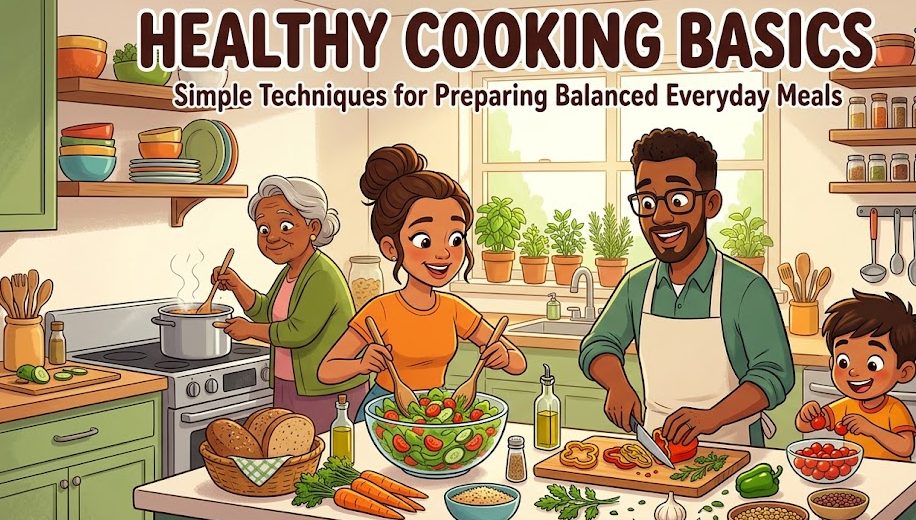
Simple Cooking Habits for Balanced Meals
Healthy cooking does not have to mean complicated recipes or restrictive food rules. With practical preparation methods, sensible ingredient choices, smart cooking techniques, and a little planning, everyday meals can become more balanced, enjoyable, and easier to prepare.
Healthy cooking starts with practical choices
Preparing balanced meals is less about following a perfect menu and more about developing useful kitchen habits. Choosing a variety of ingredients, using sensible cooking methods, controlling added fats and salt, and including foods with different textures and flavors can make ordinary meals more satisfying.
Cooking at home also gives you more control over ingredients and portions. You can adjust recipes to suit your preferences, available ingredients, schedule, and household needs without making every meal complicated.
Keep it practical
The best healthy cooking routine is one you can repeat comfortably. Simple methods and familiar ingredients often make consistency easier than complicated recipes.
Four ideas that make everyday cooking easier
A balanced approach can be built around variety, preparation, appropriate cooking methods, and realistic portions.
Choose Variety
Use different vegetables, fruits, grains, protein foods, herbs, spices, and other ingredients across the week rather than relying on the same small selection every day.
Build Balanced Plates
Think about including several food groups in a meal so the plate offers different nutrients, flavors, colors, and textures.
Use Smart Methods
Cooking methods such as steaming, baking, roasting, grilling, and sautéing can provide plenty of variety without relying on heavy preparation techniques.
Keep It Sustainable
Choose recipes and routines that fit your time, budget, equipment, cooking experience, and household preferences.
Learn a few versatile techniques
You do not need dozens of cooking methods. A small collection of reliable techniques can handle many everyday meals.
Steaming
Steaming uses hot vapor to cook ingredients gently. It works well for many vegetables and can help retain their natural texture.
Roasting
Roasting can bring out deeper flavors and appealing textures in vegetables and other ingredients while requiring relatively little hands-on preparation.
Sautéing
Quick sautéing is useful when you need a fast meal. Use a suitable pan and a sensible amount of cooking fat while keeping ingredients moving as needed.
Grilling
Grilling adds a distinctive cooked flavor and can work well for vegetables, lean proteins, and other ingredients that hold their shape during cooking.
Baking
Baking provides a convenient way to prepare complete dishes, vegetables, proteins, and grain-based meals with consistent heat.
Simmering
Gentle simmering works well for soups, stews, sauces, grains, and other dishes where ingredients need time to soften and develop flavor.
Build meals from a useful mix of ingredients
A varied ingredient list gives you more options when creating meals and makes it easier to avoid relying heavily on one type of food.
Think in food groups, colors, textures, and flavors.
Instead of starting every meal with a complicated recipe, begin by looking at what you already have. Combining a few complementary ingredients can create a satisfying meal without requiring a long preparation process.
Vegetables
Fresh, frozen, or appropriately stored vegetables can add color, texture, flavor, and variety to meals.
Grains & Starches
Rice, oats, potatoes, whole grains, and other staple foods can provide a useful base for many meals.
Protein Foods
Eggs, poultry, fish, beans, lentils, dairy foods, nuts, seeds, and other protein-rich choices can be incorporated according to individual preferences.
Fruits
Fruit can add natural sweetness, freshness, color, and variety to breakfasts, snacks, side dishes, or desserts.
Small cooking habits can make a big difference
Healthy cooking is often about the small decisions made before and during preparation rather than complicated culinary techniques.
Measure Added Fats
Oils, butter, sauces, and dressings can contribute substantial amounts of energy to a meal. Measuring them instead of pouring automatically can make portions easier to understand.
Build Flavor in Layers
Use onions, garlic, herbs, spices, citrus, vinegar, roasted ingredients, and other flavor builders to make meals interesting without depending on one seasoning alone.
Control Salt Gradually
Season throughout the cooking process and taste when appropriate. Herbs, spices, acidity, and naturally flavorful ingredients can provide additional dimensions.
Avoid Overcooking
Cooking ingredients for longer than necessary can affect texture and flavor. Learn to recognize when vegetables, grains, and proteins have reached the desired level of doneness.
A simple everyday meal-building system
Rather than choosing a complicated recipe every time, create meals by combining a few complementary components.
Choose a Base
Start with a grain, starch, vegetable base, or another suitable foundation for the meal.
Add Protein
Include a protein source that fits your dietary preferences and the type of meal you are preparing.
Add Produce
Add vegetables or fruit where appropriate to increase variety, color, flavor, and texture.
Finish With Flavor
Use herbs, spices, sauces, citrus, or other ingredients to bring the components together.
Make healthier meals enjoyable
A balanced cooking routine becomes easier to maintain when meals taste good and offer enough variety.
Fresh or dried herbs and spices can completely change the character of a dish. Experiment with combinations instead of depending on a single seasoning.
Ingredients such as lemon juice or vinegar can add brightness and help balance rich, savory, or naturally sweet flavors.
Combining crisp, soft, creamy, chewy, or roasted elements can make a simple meal feel more interesting and satisfying.
Prepare ingredients before the busy part of the day
A little preparation can reduce the friction that often leads people to skip cooking when they are short on time.
Plan
Choose a few meals or meal components.
Shop
Buy ingredients that can work across several meals.
Wash
Prepare produce according to safe food-handling practices.
Portion
Separate ingredients so they are easier to use.
Store
Keep foods appropriately stored and clearly organized.
Think about balance, not perfection
Portion needs vary from person to person. The goal is to develop an awareness of how much food feels appropriate for your individual needs and routine.
Mix Different Foods
A varied plate can provide different flavors, textures, and nutritional components rather than relying heavily on one item.
Notice Hunger
Pay attention to hunger and fullness cues rather than automatically treating every meal as the same size.
Adjust as Needed
Activity, schedule, appetite, age, and personal needs can vary. Meal portions do not need to look identical every day.
Make healthy cooking easier with better organization
An organized kitchen reduces the amount of time spent searching for ingredients and equipment.
Keep Everyday Ingredients Accessible
Store frequently used ingredients in places that are easy to reach. This can make simple meals faster to assemble and encourage more consistent home cooking.
Group Similar Kitchen Tools
Keep commonly used pans, knives, measuring tools, cutting boards, and utensils organized so preparation does not become unnecessarily difficult.
Use a Simple Ingredient Rotation
Check older ingredients before buying duplicates and plan meals around foods that should be used sooner when appropriate.
Keep Food Safety in Mind
Follow appropriate food-storage, refrigeration, cooking, cleaning, and cross-contamination practices for the foods you prepare.
Healthy cooking does not need to become complicated
Avoiding a few common habits can make everyday cooking simpler and more sustainable.
A recipe does not need a long ingredient list to create a good everyday meal.
Choose cooking methods and recipes that match the amount of time you realistically have available.
Variety across the week can make meals more interesting and provide a broader mix of foods.
Meals that taste good are easier to enjoy consistently, so herbs, spices, textures, and acidity should not be overlooked.
A small amount of planning can reduce last-minute decisions and make ingredients easier to use.
Healthy eating patterns are built over time. One meal does not need to be perfect for an overall routine to be useful.
Build a repeatable weekly cooking rhythm
You can make cooking easier by assigning a few simple preparation tasks to different points in the week rather than trying to organize everything at once.
Plan a Few Meals
Choose practical meals based on your schedule and ingredients.
Prepare a Useful List
Focus on ingredients that can work in multiple dishes.
Handle Basic Tasks
Wash, chop, portion, or organize ingredients when appropriate.
Review the Week
Notice what worked and adjust the next week’s plan.
Healthy Cooking Is a Skill You Can Build
Healthy everyday cooking does not require expensive equipment, elaborate recipes, or perfect meals. Start with a few dependable techniques, choose a variety of ingredients, pay attention to portions, build flavor with herbs and spices, and organize your kitchen so cooking feels manageable. Over time, these small habits can become a natural part of your routine.
The most useful approach is the one you can maintain. Prepare meals that fit your schedule, experiment with different ingredients, learn from what works, and keep improving one meal at a time.