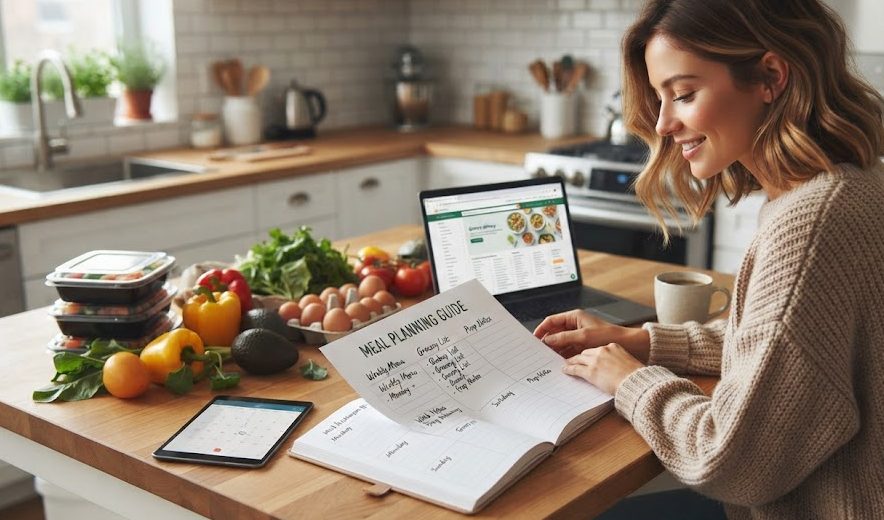
Meal planning is a simple way to bring more structure to everyday cooking. Instead of deciding what to eat at the last minute, you can think ahead about a few meals, check the ingredients already available, create a practical grocery list, and organize cooking around your weekly schedule. A good meal plan does not need to be complicated. It should make everyday life easier rather than create another task to manage.
Without a plan, cooking can quickly become repetitive or stressful. People may discover that they are missing an important ingredient, order takeaway because there is nothing prepared, or purchase more groceries than they can realistically use. A simple weekly plan can reduce many of these problems by connecting meals, shopping, preparation, and storage.
Meal planning can also support more balanced eating because it gives you an opportunity to think about variety before the week becomes busy. Instead of focusing on one perfect meal, you can consider different food groups, flavors, textures, and cooking methods across several days.
Think of Meal Planning as a Flexible Framework
A weekly meal plan does not need to be followed perfectly. Plans can change when schedules change, ingredients become unavailable, or you simply want something different. The purpose is to reduce daily decision-making while leaving enough flexibility for real life.
Why Weekly Meal Planning Can Save Time
One of the biggest advantages of meal planning is reducing the number of small decisions required during the week. When meals have already been considered, you spend less time wondering what to cook, searching through recipes, or making repeated grocery trips.
Planning can also make cooking more efficient because ingredients can be prepared together. For example, vegetables required for several meals can sometimes be washed and prepared during one session. Grains, sauces, or other suitable components may also be prepared ahead of time when appropriate.
Fewer Daily Decisions
Knowing the general meal plan reduces the need to decide what to cook from scratch every day.
More Focused Grocery Trips
A planned list helps connect purchases with actual meals and can reduce unnecessary shopping.
Smarter Kitchen Work
Some preparation tasks can be grouped together, making busy weekdays easier to manage.
Start by Looking at Your Weekly Schedule
Before choosing meals, look at the week ahead. Some days may offer plenty of time for cooking, while others may include work, school, travel, appointments, or other responsibilities.
There is little benefit in planning a complicated meal for a day when you know you will arrive home late. Instead, reserve more involved cooking for days when you have enough time and choose simpler options for busier periods.
Build Meals Around Simple Components
A useful way to simplify meal planning is to think in components rather than individual recipes. A meal can often be built around a main protein-rich food, a grain or other carbohydrate source, vegetables or other plant foods, and additional ingredients that provide flavor.
The exact combination depends on personal dietary needs, cultural food preferences, budget, and the type of cuisine being prepared. The important idea is variety rather than following one rigid formula.
Include Variety
Rotate vegetables, grains, protein-rich foods, herbs, spices, and cooking methods so meals do not become unnecessarily repetitive.
Think Across the Week
A balanced pattern does not require every single meal to contain exactly the same combination of foods.
Consider Your Routine
Choose meals that match your cooking time, available equipment, household preferences, and typical schedule.
Keep It Realistic
A simple meal that you can consistently prepare is often more useful than an ambitious recipe that creates unnecessary work.
Create a Weekly Meal Structure
You do not need seven completely different recipes every week. Reusing certain ingredients or meal formats can make planning much easier while still allowing variety.
For example, one evening could focus on a rice-based meal, another on a simple vegetable and protein combination, another on soup or a one-pot dish, and another on leftovers. The structure can then be changed from week to week.
This approach reduces the pressure to constantly invent new meals while still giving you enough flexibility to adapt to what is available.
Check Your Kitchen Before Shopping
One of the most useful meal-planning habits is checking what you already have before creating a grocery list. Look through your refrigerator, freezer, pantry, and other storage areas.
You may already have grains, spices, canned foods, frozen vegetables, sauces, or other ingredients that can become part of the week’s meals. Using existing food first can reduce waste and prevent duplicate purchases.
Check Existing Ingredients
Review foods that need to be used soon and identify ingredients that can be incorporated into upcoming meals.
Choose the Meals
Select meals based partly on what is already available and partly on what the household needs for the week.
Create the Shopping List
Write down only the ingredients that are actually required after checking existing supplies.
Organize by Store Area
Grouping items by produce, pantry, refrigerated foods, frozen products, and household needs can make shopping easier.
Make a Grocery List That Matches Your Plan
A grocery list works best when it is connected directly to the meals you intend to prepare. Instead of adding random items because they look useful, consider which meals each item will support.
It is also useful to think about quantities. Buying significantly more fresh food than your household can use may lead to waste. On the other hand, buying too little of an essential ingredient can result in additional shopping trips.
Flexible ingredients are particularly useful. Foods that can be used in several different meals can give you more options if your plans change during the week.
Use Ingredient Overlap to Reduce Waste
Ingredient overlap means using some of the same ingredients in different meals. This does not mean eating exactly the same dish repeatedly. Instead, one ingredient can appear in different preparations.
For example, a group of vegetables might be used in a cooked meal one day, added to a grain bowl another day, and incorporated into a soup later in the week. Herbs and sauces can also change the character of a meal without requiring completely different shopping lists.
Planning tip: When choosing weekly meals, look for ingredients that can serve more than one purpose. This can simplify shopping, reduce leftover ingredients, and make the weekly plan more flexible.
Plan Around Cooking Time
Not every meal needs to be cooked immediately before eating. Depending on the food, some components can be prepared earlier and stored appropriately until needed.
A practical weekly plan might include one preparation session for washing and cutting suitable ingredients, preparing certain components, checking pantry supplies, and organizing containers. The amount of preparation should match your schedule rather than becoming a large project of its own.
Understand the Difference Between Preparation and Cooking
People sometimes assume that cooking time is the main reason a meal takes a long time. In reality, preparation can also take significant time. Washing ingredients, peeling, chopping, measuring, heating equipment, and cleaning can all add minutes.
Planning these steps ahead can make the actual cooking process feel much faster. When ingredients are ready, you can concentrate on combining and cooking them instead of constantly stopping to prepare the next item.
Use Leftovers as Part of the Plan
Leftovers should not always be considered a problem. When planned properly, they can become a useful part of the weekly schedule. A larger batch of a suitable dish can provide another meal, reducing preparation time on a busy day.
However, leftovers should be handled and stored safely. Foods should be cooled, refrigerated, frozen, reheated, and consumed according to reliable food-safety guidance appropriate to the food involved.
Storage reminder: Use clean, suitable containers and keep refrigerated foods at appropriate temperatures. Labeling containers with dates can make it easier to identify older leftovers and organize the refrigerator.
Create a Flexible Meal Plan
A rigid plan can become frustrating when unexpected events happen. Instead of assigning one meal permanently to every day, consider having a few flexible options available.
If you planned a more involved dinner but suddenly have less time, switch it with a quick meal. If fresh ingredients need to be used sooner than expected, adjust the order of meals. A successful plan should help you adapt rather than make you feel trapped by a schedule.
Keep Breakfast and Lunch Simple When Needed
Meal planning does not require every meal to be elaborate. Breakfast and lunch can often be based around a few repeatable options that are easy to prepare.
Having a small rotation of familiar breakfasts or lunches can reduce decision fatigue. Variety can still be introduced by changing ingredients, flavors, toppings, or preparation methods over time.
Consider Household Preferences
Meal planning becomes easier when the people eating the food are considered during the planning stage. Different family members may have different schedules, preferences, allergies, dietary requirements, or tolerance for particular ingredients.
Rather than preparing completely separate meals whenever possible, consider meals with flexible components. For example, a base ingredient can be served with different vegetables, sauces, or toppings so individuals can adjust the final meal according to their preferences.
Keep a Record of Meals That Work Well
Over time, you can create your own collection of reliable meals. These are recipes or meal combinations that your household enjoys, use reasonably accessible ingredients, and fit your normal schedule.
Keep simple notes about meals that were especially convenient. You can record the ingredients, approximate preparation time, useful substitutions, and whether leftovers worked well. After several weeks, this collection can become a valuable starting point for future meal planning.
Common Meal Planning Mistakes
One common mistake is planning too many complicated recipes at once. A weekly plan should account for real schedules, not an ideal week in which everyone has unlimited time.
Another mistake is buying ingredients without considering how they will be used. This can lead to excess food and unnecessary spending.
It is also easy to create a plan with no flexibility. Unexpected events are normal, so leave room for leftovers, quick meals, eating out occasionally, or changing the order of meals.
Finally, avoid treating meal planning as a strict rule. Its purpose is to make daily life more organized, not to create additional pressure.
A Simple Weekly Planning Routine
Once the basic system is familiar, weekly meal planning can become a short routine. Choose a convenient day and spend a small amount of time reviewing the upcoming schedule, checking existing food, selecting meals, and preparing the grocery list.
| Planning Stage | Main Question | Useful Action |
|---|---|---|
| Schedule | Which days will be busy? | Assign simpler meals to busy days. |
| Inventory | What do I already have? | Use suitable existing ingredients first. |
| Meals | What will we eat? | Choose a flexible mix of familiar meals. |
| Shopping | What is actually missing? | Create a focused grocery list. |
| Preparation | What can be done earlier? | Prepare suitable ingredients or components ahead of time. |
Make Meal Planning Work for Your Lifestyle
There is no single correct meal-planning system. Some people prefer detailed weekly menus, while others only plan a few main meals and keep several flexible ingredients available. The right approach is the one that reduces stress without requiring excessive effort.
Families may benefit from assigning meals around different schedules. People living alone may prefer preparing larger batches and using them across several meals. Busy professionals may focus on quick recipes and simple preparation. The system can be adjusted as circumstances change.
Frequently Asked Questions
“`How far ahead should I plan meals?
Planning one week at a time is a practical starting point for many households. It provides enough structure for shopping and preparation while still allowing flexibility.
Does meal planning have to include every meal?
No. Some people plan only dinners, while others plan breakfast, lunch, and dinner. Start with the meals that create the most daily decision-making or preparation work.
How can meal planning reduce food waste?
Planning helps connect purchases to actual meals, encourages the use of existing ingredients, and makes it easier to reuse suitable ingredients across different dishes.
What should I do if my weekly schedule suddenly changes?
Move meals around, choose a quicker option, or use a planned leftover. A flexible meal plan should be easy to adjust when unexpected events occur.
Is meal planning expensive?
Meal planning itself does not require special equipment or services. A simple plan based on foods you already use can help make grocery shopping more intentional and reduce unnecessary purchases.
Creating a Sustainable Weekly Meal Routine
“`Meal planning is ultimately about making everyday food decisions easier. By looking at the week’s schedule, checking existing ingredients, choosing practical meals, creating a focused grocery list, and preparing suitable components in advance, you can create a cooking routine that feels more organized.
The best plan is not necessarily the most detailed one. It is the plan that fits your household, budget, available time, cooking ability, and food preferences. Keeping meals flexible makes it easier to continue the routine even when unexpected changes occur.
Start small by planning a few meals for the coming week. As the process becomes familiar, you can improve your grocery routine, build a collection of reliable meals, reduce unnecessary waste, and make better use of your cooking time. With consistent practice, meal planning can become a simple weekly habit that makes everyday cooking considerably easier.
“`