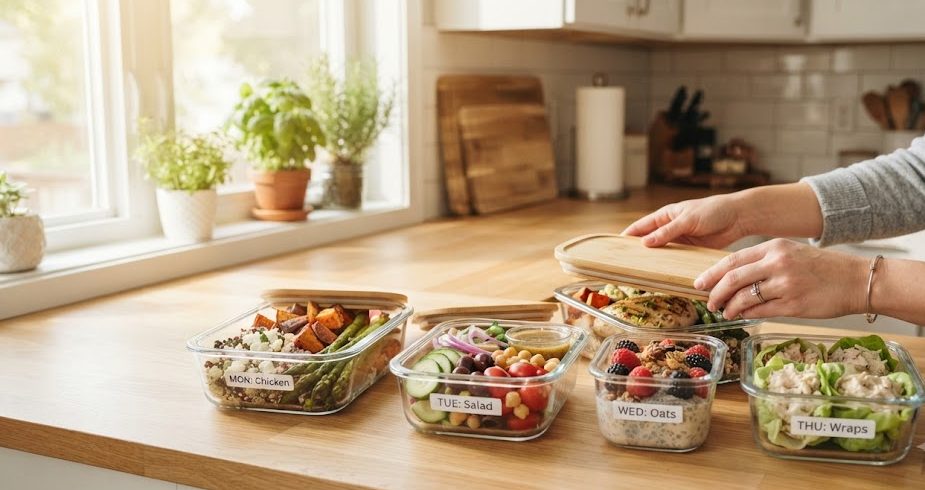
Prepare Lunch Once, Enjoy Easier Days
Make-ahead lunches can remove one of the most repetitive decisions from a busy weekday. With a little preparation, you can have convenient meals ready to pack, reheat, or assemble without starting from scratch every morning.
Weekday lunches often become difficult for a simple reason: they have to compete with everything else happening during the day. Work, commuting, appointments, family responsibilities, and changing schedules can leave very little enthusiasm for preparing an entirely new meal every afternoon.
Make-ahead lunches offer a practical alternative. Instead of cooking a complete lunch every day, you can prepare useful components or a few finished meals in advance. The result is less morning effort, fewer rushed decisions, and a more organized approach to the week.
Start With Lunches That Store Well
Not every meal is equally suitable for advance preparation. Begin with foods that maintain a pleasant texture and flavor after being refrigerated or reheated appropriately.
Flexible combinations of grains, vegetables, protein, and dressing.
Easy to portion and adaptable to different sauces and vegetables.
Prepare the filling ahead and assemble when needed.
1. Make a Mix-and-Match Lunch Bowl
Lunch bowls are useful because their components can be prepared separately. Cook a suitable grain or other base, prepare vegetables, and have a convenient protein option available. Add a sauce or dressing when you are ready to eat.
You can change the combination during the week without preparing an entirely new meal. One day, the ingredients might become a simple Mediterranean-style bowl; another day, the same base can take on a different flavor profile with another sauce or seasoning.
Prepare the components separately, then combine them according to your mood and schedule.
2. Prepare Sandwich and Wrap Components
Sandwiches and wraps can be extremely convenient, but assembling them every morning can still feel like a chore. Instead, prepare the ingredients that can safely and appropriately be prepared ahead.
Wash and prepare suitable vegetables, portion fillings, and keep spreads or sauces ready. Assemble the final lunch closer to the time you need it when doing so helps prevent soggy bread or wraps.
This small distinction—preparing components rather than the entire sandwich—can improve both convenience and texture.
3. Turn Dinner Into Tomorrow’s Lunch
One of the easiest make-ahead strategies is to intentionally prepare enough dinner to create another meal.
When cooking in the evening, consider whether an additional portion can become lunch the following day. Store it appropriately after the meal, and portion your lunch while the kitchen is already being cleaned.
The “cook once, use twice” habit
A dinner does not have to become an identical lunch. Leftover cooked ingredients can often be transformed into a bowl, wrap, salad, pasta dish, or another simple meal.
4. Prepare a Large Batch of a Versatile Base
Some ingredients can support several different lunches. Preparing one useful base in advance can therefore save more time than preparing several complete meals.
Depending on your preferences, this could be cooked grains, pasta, roasted vegetables, beans, or another ingredient that works in multiple combinations.
Once the base is ready, you only need to add different toppings, sauces, vegetables, or proteins to create variety.
5. Try a Simple Pasta Lunch Rotation
Pasta can be a convenient make-ahead option because it can be combined with many ingredients. Prepare a batch and divide it into appropriate portions. During the week, vary the additions rather than making a completely new dish each time.
For example, one portion might be combined with vegetables and a tomato-based sauce, while another could use a different dressing, herbs, or suitable protein.
Keeping sauces or delicate toppings separate until serving can help preserve texture.
6. Build Ready-to-Pack Lunch Boxes
A lunch box does not have to be complicated. You can create a simple combination of a main item, a produce component, and one or two convenient additions.
Preparing several compatible portions together can make weekday mornings much quicker. Keep food storage and refrigeration requirements in mind so meals remain appropriate to eat.
7. Make a Few Freezer-Friendly Lunches
The freezer can be useful for lunches that are suitable for freezing and reheating. Rather than preparing an entire week’s supply at once, consider making a larger batch and freezing a few portions for later.
This creates a backup supply for weeks when your normal preparation routine gets interrupted.
Choose meals that freeze and reheat well, use suitable containers, allow food to cool appropriately before longer-term storage, and follow safe storage and reheating practices.
8. Keep Dressings and Sauces Separate
One small preparation detail can make a major difference: keep wet ingredients separate from foods that become soggy when they sit in moisture.
Salads, wraps, sandwiches, and grain bowls can often be prepared more successfully when dressings, sauces, or other moisture-heavy ingredients are stored separately until needed.
Keep sturdy ingredients at the bottom, delicate foods protected, and wet additions separate when necessary. This helps your lunch stay closer to the texture you intended.
9. Use a Two-Day Preparation Rhythm
You do not have to prepare all five lunches on one day. Some people find it easier to prepare enough food for the first part of the week, then do a smaller preparation session later.
For example, prepare lunches for Monday through Wednesday during one session and refresh your ingredients for Thursday and Friday later in the week.
This approach can be useful when you prefer fresher foods or do not enjoy having the same meals prepared too far in advance.
10. Create a “Lunch Shelf” in the Refrigerator
A dedicated area can make packed lunches much easier to find. Place prepared lunch containers together where they are visible and easy to access.
This simple organization habit prevents prepared meals from getting buried behind other food and gives you a visual reminder that tomorrow’s lunch is already handled.
You can use the same principle in the pantry for shelf-stable lunch ingredients and snacks.
11. Keep Three Emergency Lunch Options
Make-ahead planning becomes more reliable when it includes a backup. There will always be weeks when the planned meals do not work exactly as expected.
A suitable pantry-based option.
A prepared meal or component stored appropriately.
A meal that takes only a few minutes to assemble.
These backup choices can prevent one missed preparation session from turning into several days of stressful lunch decisions.
12. Keep Portions Practical
Make-ahead meals should be portioned in a way that matches your actual needs. A container that is too small can leave you looking for additional food, while an oversized portion may be inconvenient to carry or store.
Use containers that are easy to clean, stack, transport, and store. If your workplace has access to a microwave, containers suitable for your reheating routine can make things even simpler.
A Simple Weekend Preparation Plan
Do Not Prepare More Than You Can Realistically Use
Meal preparation is most useful when it matches your actual routine. Preparing seven different lunches because they look impressive online may create more work than simply making a few dependable options.
Start small. Two or three prepared lunches can already make a meaningful difference. If that routine works well, expand it gradually.
It is also worth remembering that freshness and storage life vary between foods. Plan portions around what can be stored appropriately rather than assuming every meal will remain suitable for the same length of time.
Turn Leftover Ingredients Into Something New
Make-ahead planning does not mean eating identical meals repeatedly. A useful ingredient can take several forms during the week.
Prepared vegetables might become part of a grain bowl one day and a wrap filling another. Cooked grains can support different sauces and toppings. Leftover proteins can be incorporated into salads, sandwiches, bowls, or other suitable meals.
This gives you variety without dramatically increasing preparation time.
A Quick Weekly Lunch Checklist
- ☐ Check the week’s schedule.
- ☐ Pick two or three easy lunch formats.
- ☐ Review ingredients already available.
- ☐ Prepare one or two versatile components.
- ☐ Pack the first lunches in advance.
- ☐ Keep one or two backup options available.
A Little Preparation Can Create a Much Smoother Week
Make-ahead lunches do not require a complicated meal-prep routine. Start with foods that store well, prepare flexible components, use leftovers strategically, and keep sauces or delicate ingredients separate when needed.
The goal is simply to remove unnecessary decisions from busy mornings. When a few lunches are already prepared or partly assembled, you can begin the workday knowing that one more everyday task has already been handled.