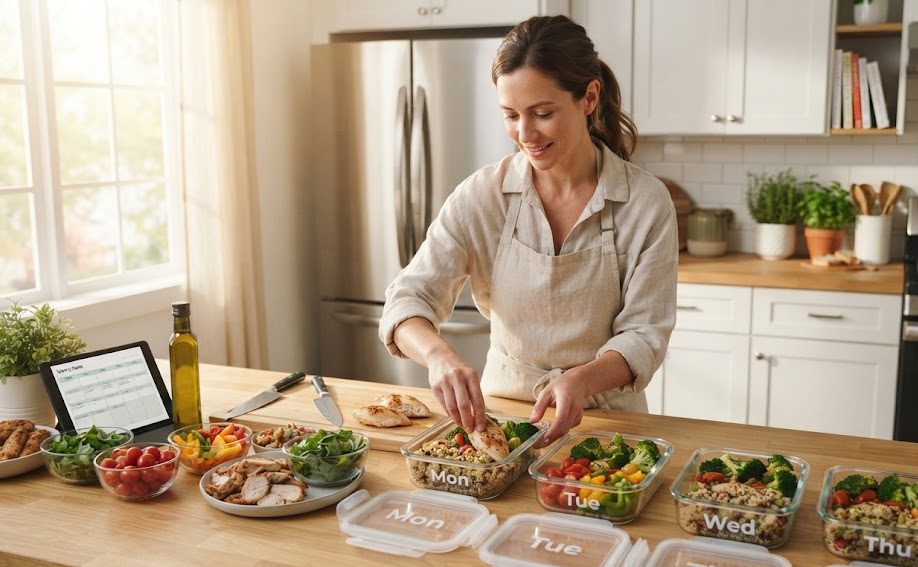
A weekly lunch routine sounds simple until real life gets involved. One day may be packed with meetings, another may involve errands, and some evenings may leave you with almost no energy for cooking. A routine that ignores those differences usually becomes difficult to maintain.
The better approach is to build a flexible system. Instead of preparing every lunch in exactly the same way, decide which meals need advance preparation, which can be assembled quickly, and which can rely on leftovers or convenient ingredients.
Start With Your Actual Weekly Schedule
Before choosing recipes, look at the week ahead. Identify the days when lunch preparation will be easiest and the days when your schedule will be tightest.
This small step changes the entire planning process. A day when you work from home may allow more flexibility, while a day filled with appointments may call for something that can be packed in minutes.
Choose meals that are already prepared or require almost no assembly.
Use these days for meals that need a little more preparation.
Let suitable dinner leftovers reduce the amount of cooking required.
Choose a Preparation Level for Each Day
Not every lunch deserves the same amount of effort. Give each weekday a simple preparation level instead of assigning a complicated recipe to every day.
This system prevents you from expecting the same energy level from yourself every day.
Pick a Weekly Preparation Window
A weekly routine works best when preparation has a predictable place in your schedule. That does not necessarily mean spending several hours preparing food.
You might prefer a longer preparation session once a week, two shorter sessions, or a combination of evening preparation and quick ingredient resets.
Three practical scheduling models
One-session model: Most preparation happens during one convenient weekly block.
Two-session model: A larger preparation session is followed by a smaller midweek refresh.
Daily micro-prep: You spend only a few minutes preparing the next day’s lunch.
Build Around Ingredients, Not Five Completely Different Recipes
Preparing several unrelated meals can create unnecessary work. Instead, choose ingredients that can appear in more than one lunch.
For example, a prepared grain, suitable vegetables, cooked protein, or simple dressing can potentially be used in different combinations. The meals do not have to taste identical; the goal is simply to reduce repeated preparation.
Prepare once
Cook or portion a few versatile components that can be used during the week.
Combine differently
Change the format, toppings, seasoning, or accompanying ingredients to keep lunches interesting.
Use a Simple Weekly Lunch Map
A lunch map gives you a plan without requiring an elaborate meal schedule. Write down the general type of lunch for each day and leave room for changes.
| Day | Preparation idea | Time approach |
|---|---|---|
| Monday | Prepared meal or suitable leftovers | Minimal |
| Tuesday | Quick assembly lunch | Short |
| Wednesday | Second batch or leftover-based meal | Minimal |
| Thursday | Fresh or mix-and-match option | Moderate |
| Friday | Flexible meal using what remains | Flexible |
Make Sunday Preparation Smaller Than You Think
Weekly preparation does not need to mean filling an entire refrigerator with containers. Start by identifying only the tasks that genuinely save time later.
Perhaps washing produce is useful, while preparing every vegetable into individual portions is unnecessary. Maybe cooking one versatile ingredient makes sense, while preparing five complete meals feels excessive.
The best routine removes work from your busiest moments without creating a large chore on your preparation day.
If a preparation task does not make at least one future lunch easier, consider leaving it out.
Create a Midweek Reset
A full week can be too long for some prepared foods to remain at their best. A short midweek reset can also keep your routine from becoming repetitive.
Use this moment to check what remains, prepare another small batch if needed, and decide how to use ingredients before they are forgotten.
This second checkpoint is particularly helpful if your schedule changes frequently.
Keep One Backup Lunch for Difficult Days
A reliable routine needs a safety net. There will be mornings when you oversleep, evenings when preparation does not happen, or days when your original lunch plan simply no longer sounds appealing.
Keep a few suitable ingredients or meal components available for those situations. Your backup should be easy enough that you will actually use it when the week becomes chaotic.
Little preparation required
Ingredients are usually available
Easy to adapt to what you have
Keep Your Shopping List Connected to the Routine
A lunch system becomes much easier when grocery shopping supports it. Look at the meals you have planned and identify ingredients that will be used more than once.
This helps reduce both unnecessary purchases and the frustration of discovering halfway through the week that an important lunch component is missing.
It is also useful to distinguish between essential ingredients and optional extras. If your schedule changes, optional ingredients can be moved to another meal instead of becoming wasted food.
Leave Room for Schedule Changes
A weekly plan should provide direction rather than become a rigid contract. If an unexpected lunch invitation appears, you work from home, or dinner produces more suitable leftovers than expected, adjust the plan.
Moving Tuesday’s planned lunch to Wednesday is not a failure. A flexible system should make changes easy.
Plan in categories, not just recipes
Think “leftovers,” “quick assembly,” “grain-based meal,” “sandwich,” or “salad-style lunch” rather than locking every day into one exact recipe. Categories make your plan much easier to adjust.
Review What Worked at the End of the Week
After a week or two, spend a few minutes reviewing the routine. Which lunches were genuinely easy? Which preparation tasks felt unnecessary? Which day consistently caused problems?
Use those observations to modify the following week. A good lunch routine is usually built through small adjustments rather than designed perfectly from the beginning.
Quick weekly review
- Which lunch was easiest to prepare?
- Which day needed a better backup?
- Did you prepare more food than you actually used?
- Which ingredients worked well across multiple meals?
- What single change would make next week easier?
Keep the Routine Sustainable
The most successful lunch routines are rarely the most elaborate. They are the ones that continue working when life becomes busy.
Start with one preparation window, a few dependable lunch formats, and a small number of ingredients you can use in different ways. Once that system feels natural, add another preparation habit only if it genuinely improves your week.
Build Around Your Schedule, Not an Ideal Week
A practical weekly lunch routine begins with an honest look at your time and energy. Assign easier lunches to busy days, prepare versatile ingredients when you have more breathing room, use leftovers strategically, and keep a dependable backup option.
The goal is not to prepare everything in advance. It is to make the right amount of preparation happen at the right time, so weekday lunches feel organized instead of rushed.