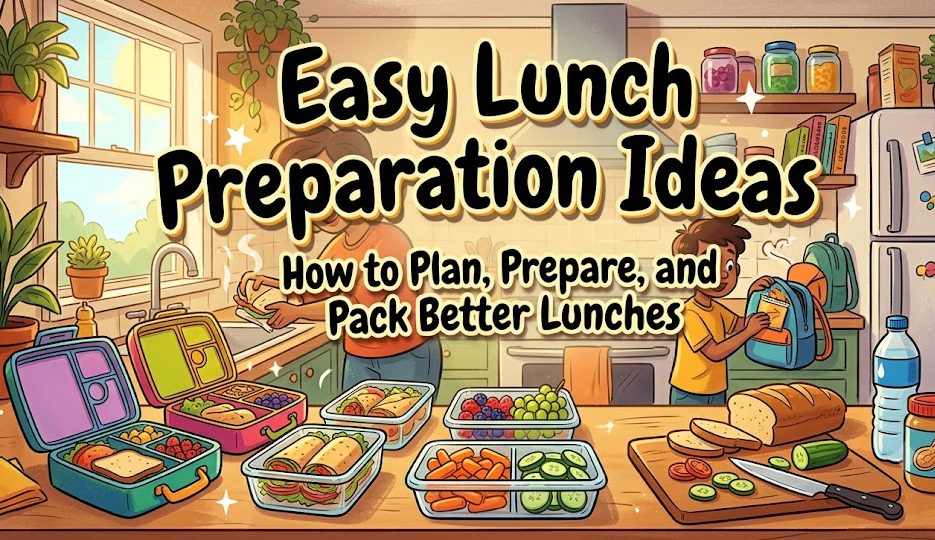
Lunch Preparation — Easy Lunch Preparation Ideas
Learn how to plan prepare and pack better lunches with simple ideas that can make busy workdays school days and everyday routines easier to manage
Preparing lunch at home can make the middle of the day much easier. When lunch is planned ahead there is less pressure to decide what to eat when you are already busy. A little preparation can also make it easier to create meals that match your personal preferences and schedule.
Lunch preparation does not have to mean spending hours in the kitchen. A simple system can include choosing a few meals preparing ingredients in advance and packing everything in a convenient container.
Why Lunch Preparation Is Useful
Lunch is often one of the most rushed meals of the day. Work meetings school schedules travel and other responsibilities can leave very little time for preparing food. Having a lunch plan can make the process more predictable.
Preparing lunch in advance can also help you use ingredients that are already available at home. Instead of waiting until lunchtime to decide what to make you can prepare something earlier when you have more time.
The best lunch preparation routine is one that you can actually maintain. Start with a few easy meals rather than trying to prepare complicated lunches every day.
Choose the Right Lunch Style
There is no single correct way to prepare lunch. Your ideal lunch depends on your schedule storage options cooking facilities and personal preferences.
Choose meals that require very little preparation when you have a short break or a busy schedule.
Cook or assemble your lunch earlier in the day or the night before so it is ready when needed.
Use suitable leftovers from dinner as a practical lunch option when they have been stored correctly.
Cold meals can be useful when you do not have access to a microwave or cooking equipment.
Meals that can be reheated may be useful when you have access to suitable heating equipment.
Choose foods that can be packed securely and transported easily when you need to eat away from home.
How to Plan Your Lunch for the Week
A weekly lunch plan does not need to include a different recipe every day. Repeating meals can actually make preparation easier.
- Check your schedule for the coming week
- Identify which days require a packed lunch
- Choose several simple lunch ideas
- Check which ingredients are already available
- Create a small grocery list for missing ingredients
- Prepare ingredients before the busiest days
- Pack each lunch using suitable containers
When planning your lunches consider how much time you have each morning. If mornings are busy prepare as much as possible the previous evening.
Easy Lunch Ideas for Busy Days
Good lunch ideas do not have to involve complicated recipes. A balanced combination of familiar foods can create a practical meal that is easy to prepare and pack.
Cooked rice can be combined with vegetables and other suitable ingredients to create a filling lunch. Prepare portions in advance and store them correctly.
Pasta can be prepared ahead of time and combined with vegetables or a suitable sauce. It can work as either a warm or cold lunch depending on the recipe.
Sandwiches are convenient for busy days because they can usually be assembled quickly and packed easily.
Cooked chicken can be included in a variety of lunches such as rice bowls sandwiches salads or simple wraps.
Eggs can be used in several simple lunch preparations and can work well with vegetables bread rice or other suitable foods.
A salad can be prepared using vegetables and other ingredients that suit your preferences. Keep suitable dressings separate when needed.
Prepare Ingredients in Advance
One of the easiest ways to make lunch preparation faster is to prepare ingredients before you actually need them.
You can wash and cut suitable vegetables prepare certain grains and organize ingredients in the refrigerator. The exact preparation method depends on the food and how it needs to be stored.
Preparing ingredients does not mean preparing everything for the entire week. Even preparing enough for the next two or three lunches can reduce daily work.
Prepare Vegetables
Clean and prepare vegetables according to their storage requirements. Keep them in suitable containers so they are ready when you need them.
Prepare Main Ingredients
If your lunch includes cooked ingredients you may be able to prepare portions in advance. Divide food into practical amounts so you only need to take one portion when packing lunch.
Organize Your Workspace
Keep lunch containers utensils and commonly used ingredients in places that are easy to access. An organized kitchen can make preparation much faster.
How to Pack a Better Lunch
Packing is an important part of lunch preparation. A good lunch container should be suitable for the type of food you are carrying and should close securely.
- Use clean food safe containers
- Choose containers that close securely
- Keep foods separated when needed
- Pack sauces separately when appropriate
- Use suitable cold storage for perishable foods
- Pack only the amount you expect to eat
If you are carrying lunch outside your home consider how long the food will remain outside controlled storage conditions. Perishable foods need appropriate temperature control to remain safe.
Make Lunch More Interesting
Eating the same lunch every day can become boring. You do not need completely different recipes to create variety. Small changes can make familiar meals feel different.
Try changing the vegetables used in a rice dish or using different suitable ingredients in a sandwich. You can also rotate between warm meals and cold meals depending on your schedule.
Use Leftovers Efficiently
Leftovers can save preparation time when handled and stored properly. Instead of preparing a completely separate lunch every day you can plan dinner portions that may also work as the next day’s lunch.
Store leftovers using clean suitable containers and follow appropriate food storage practices. Labeling containers can help you remember when food was prepared.
Before packing leftovers check their storage condition and make sure they are still suitable to eat. When in doubt about food safety it is better to avoid eating questionable food.
Lunch Preparation for Busy Mornings
If mornings are usually rushed move as many lunch preparation tasks as possible to the evening before.
Prepare your container and utensils in advance. Organize the ingredients and decide exactly what you are going to pack. This means you can assemble the lunch quickly instead of making several decisions in the morning.
You can also keep a short list of your favorite quick lunches. Having reliable options available makes it easier to maintain the routine during busy weeks.
Common Lunch Preparation Mistakes
One common mistake is trying to prepare complicated meals every day. This can make lunch preparation feel like another major task rather than something that saves time.
Another mistake is packing foods without considering how they will be stored or transported. Some meals may not travel well while others may require temperature control.
Preparing too much food can also lead to unnecessary waste. Start with realistic portions and adjust them based on how much food you normally eat.
Another issue is forgetting variety. A practical lunch routine should be convenient but should also include enough variation to keep meals enjoyable.
A Simple Lunch Preparation Routine
You can use the following routine whenever you want to prepare lunch for the next day.
- Check what ingredients you already have
- Choose one simple lunch idea
- Prepare the main ingredients
- Allow cooked food to be handled and stored appropriately
- Place food into clean suitable containers
- Add sauces or separate ingredients when appropriate
- Store the packed lunch correctly
- Take the lunch with you when you leave
Keep Your Lunch Routine Flexible
A good lunch plan should be flexible enough to handle unexpected changes. Sometimes meetings run late or plans change. You may also have days when you simply do not want the meal you planned.
Keep a few easy alternatives available. Flexible ingredients can help you change the meal without needing to make a completely new shopping trip.
The goal is not to follow a strict schedule. The goal is to make lunch easier while still giving yourself enough freedom to adjust your choices.
Final Thoughts
Lunch preparation can be simple when you focus on planning rather than perfection. Choose meals that fit your schedule and prepare ingredients when you have time.
Use suitable containers and store food correctly. Keep a few reliable lunch options available for busy days and use leftovers when appropriate.
Remember that a successful lunch routine should make your day easier rather than creating additional work. Start with two or three simple lunch ideas and gradually build a system that works for your lifestyle.
With a little preparation you can make packed lunches more convenient organized and enjoyable while reducing the amount of time spent deciding what to eat each day.
Start With Tomorrow’s Lunch
You do not need a complicated weekly system to begin. Choose one simple meal prepare the ingredients tonight and pack it in a suitable container. Once this becomes easy add another lunch idea and slowly create your own practical lunch preparation routine.