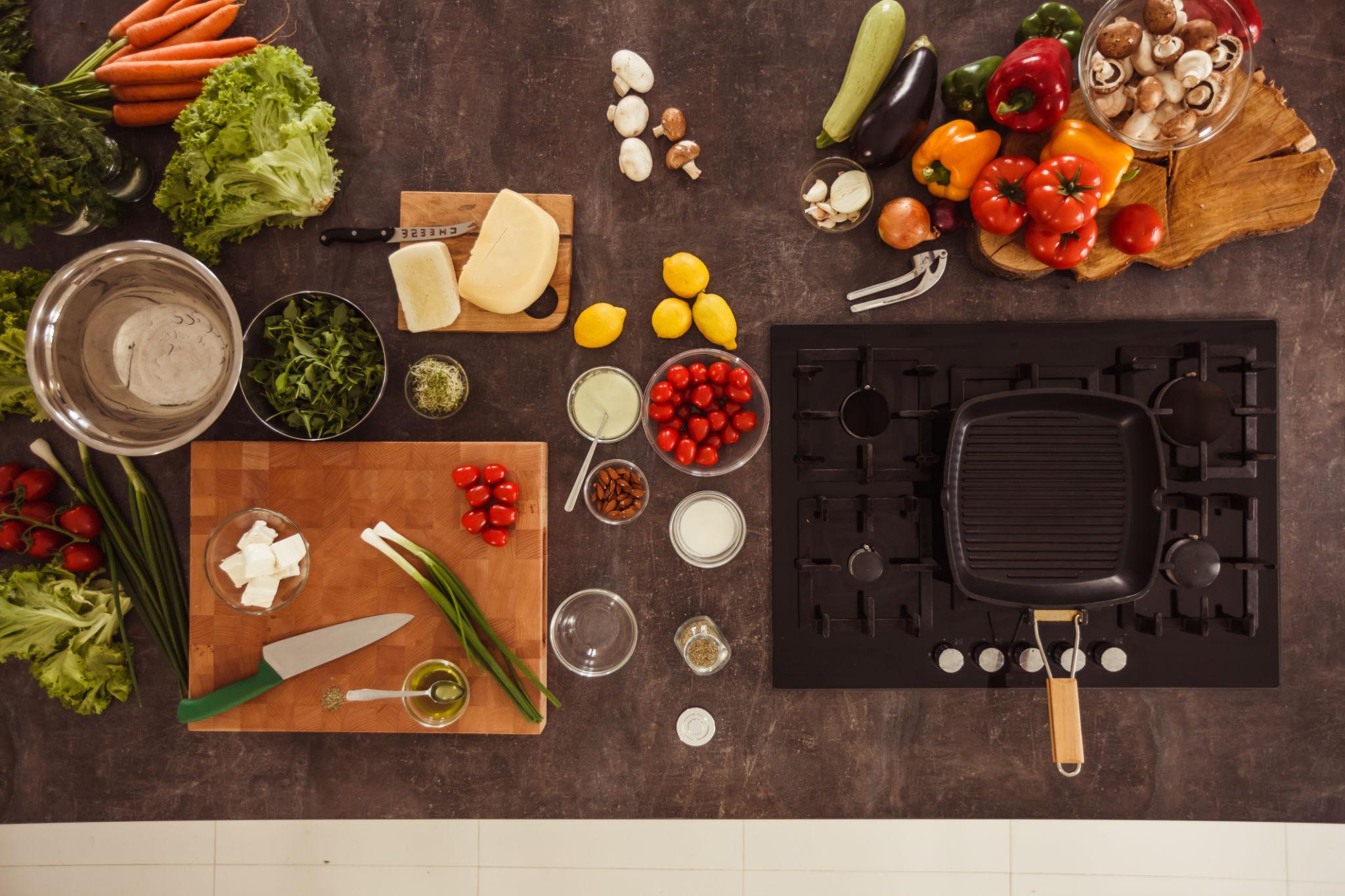
Busy weekdays do not always leave much room for cooking from scratch. The good news is that easier meals rarely require complicated meal-prep systems. A few small habits, repeated consistently, can reduce chopping, decision-making, cooking time, and cleanup without making your kitchen routine feel rigid.
The goal is not to spend an entire weekend preparing food for the next seven days. It is to make small decisions earlier so that weekday cooking requires less effort. Washing a few vegetables, cooking an extra portion, keeping useful staples available, or deciding tomorrow’s dinner before going to bed can make a surprisingly large difference.
When preparation becomes part of your normal routine, busy evenings become easier to manage because you are no longer starting every meal from zero.
Prepare for the Next Meal While Finishing the Current One
One of the easiest habits to adopt is looking slightly ahead. While dinner is cooking, consider whether one small task could make tomorrow’s meal easier.
You might wash vegetables, move something from the freezer to the refrigerator when appropriate, cook a little extra rice, or portion leftovers into containers. These tasks often take only a few minutes because the kitchen is already active.
Do not look for a large preparation project. Ask yourself: “What five-minute task can make tomorrow’s meal easier?” Small actions are much easier to maintain than ambitious routines.
Keep a Short Rotation of Familiar Meals
Weekday cooking becomes mentally tiring when you have to invent a new dinner every evening. A small rotation of dependable meals removes much of that decision fatigue.
Choose meals your household already enjoys and that can be prepared without extensive planning. They might include a simple pasta dish, rice bowl, soup, tacos, stir-fry, baked vegetables with a protein, sandwiches, or an omelet with toast.
You can still enjoy variety by changing seasonings, sauces, vegetables, or side dishes rather than replacing the entire meal every time.
Ready in a short amount of active cooking time.
Uses ingredients you normally keep available.
Works with substitutions and leftover ingredients.
Wash and Cut Produce in One Short Session
Fresh vegetables can make weekday meals healthier and more enjoyable, but washing and chopping them repeatedly can become a barrier. A short preparation session can remove that friction.
After shopping, identify produce that will be used soon. Wash or prepare it when appropriate, store it correctly, and keep portions accessible for meals and snacks.
Do not automatically cut everything you buy. Some foods keep better when left whole, and certain ingredients may be easier to prepare only when needed. The useful habit is preparing the items that genuinely save you time later.
Cook More of the Ingredients That Reheat Well
Not every food improves after being stored, but many everyday ingredients can be prepared in larger quantities and used later. Grains, certain roasted vegetables, cooked beans, soups, sauces, and suitable proteins can become useful building blocks for future meals.
Instead of cooking one exact meal for several days, prepare components that can be combined in different ways. This keeps leftovers from feeling repetitive.
Create a “Ready to Cook” Area
A cluttered refrigerator can make even simple ingredients difficult to use. Create a small, clearly organized area for foods that are ready for the next meal.
This could include washed produce, suitable prepared ingredients, leftovers, or items that need to be used soon. The idea is not to create a perfectly organized refrigerator. It is simply to make useful food easier to notice.
Make the first step obvious
If the ingredients for tomorrow’s dinner are easy to see, you are more likely to use them. Visibility reduces the mental effort required to begin cooking.
Use Convenient Ingredients Strategically
There is no rule saying every part of a home-cooked meal must require extensive preparation. Frozen vegetables, canned beans, prepared broth, prewashed greens, simple sauces, and other convenient ingredients can be valuable on busy days.
The best choices are those that remove a time-consuming step without creating another problem. A convenient ingredient that helps you consistently prepare meals at home can be more useful than an ambitious ingredient that sits untouched in the refrigerator.
Think of convenience as part of your cooking system rather than something that makes a meal less legitimate.
Keep Your Pantry Ready for Emergency Meals
Even the best routine will encounter difficult evenings. A meeting may run late, plans may change, or you may simply have less energy than expected. Keeping a few reliable pantry and freezer staples available can prevent these situations from becoming stressful.
Depending on your preferences, useful basics might include pasta, rice, canned beans, eggs, frozen vegetables, bread, broth, oats, or other ingredients that can quickly become a complete meal.
Your emergency meal does not need to be impressive. It only needs to be dependable.
Prepare Breakfast and Lunch With the Same Philosophy
Evening dinners often receive most of the attention, but weekday mornings and lunches can create just as much pressure. A few repeatable options can make those meals easier too.
Prepare portions of foods that work well for several mornings, keep simple breakfast ingredients together, and make lunch from dinner leftovers whenever practical. Sandwiches, grain bowls, salads, soups, wraps, and leftovers can all become easier when their components are already available.
The objective is not to make every breakfast and lunch identical. It is to reduce the number of decisions required when time is limited.
Clean as Part of the Cooking Process
A meal can feel much more demanding when cleanup is left entirely until the end. Build small cleanup actions into the cooking process whenever it is safe and practical.
Put ingredients away after using them, rinse tools that will no longer be needed, wipe small spills before they become difficult to remove, and keep unnecessary equipment off the counter.
One-pan and one-pot meals can also reduce the number of dishes waiting after dinner. Fewer cooking vessels often mean less work without sacrificing the meal itself.
Use a “Cook Once, Use Twice” Habit
Whenever you prepare an ingredient, look for a realistic second opportunity to use it. This is one of the simplest ways to turn ordinary cooking into preparation for the next meal.
For example, extra cooked vegetables might become part of a lunch wrap, while leftover grains could support a quick bowl. The second meal does not have to resemble the first.
Match Preparation to Your Actual Week
A common mistake is creating a preparation routine that works perfectly on paper but does not fit real life. If Sunday is already crowded with errands and family commitments, planning a three-hour cooking session may not be sustainable.
Instead, divide preparation into small opportunities. Ten minutes after grocery shopping, five minutes while dinner cooks, and another short task later in the week may be enough.
A realistic preparation rhythm
- After shopping: Put ingredients away strategically and prepare a few items that will be used soon.
- Before dinner: Take out the ingredients needed for the meal.
- During cooking: Complete one small task for tomorrow.
- After dinner: Save useful leftovers and reset the kitchen.
- Midweek: Check what needs to be used before it is forgotten.
Avoid Preparing More Than You Can Use
Meal preparation should reduce stress, not create another responsibility. Cooking large quantities sounds efficient, but it becomes wasteful when food is forgotten or nobody wants to eat the same dish repeatedly.
Start with amounts your household can realistically consume. Once you understand which foods disappear quickly and which remain untouched, adjust your preparation habits accordingly.
A smaller amount of preparation that gets used consistently is more valuable than a refrigerator full of carefully prepared food that eventually goes to waste.
Build the Habit One Change at a Time
You do not need to introduce every strategy immediately. Start with the habit that would remove the biggest source of weekday frustration.
If deciding what to cook is the problem, create a short meal rotation. If chopping takes too long, prepare selected vegetables ahead. If lunches are difficult, make dinner leftovers part of the plan. If cleanup is exhausting, choose more one-pan meals.
Once one habit becomes automatic, add another. Over time, these small improvements create a cooking routine that feels much more manageable.
Make Tomorrow’s Meal Easier Today
The most effective meal-preparation habits are usually small and repeatable. Cook useful ingredients in sensible quantities, keep dependable staples nearby, prepare a few items before you need them, reuse leftovers creatively, and allow convenient foods to handle some of the workload.
You do not have to spend hours preparing food to make weekdays easier. A few thoughtful actions can shift work away from the busiest part of the day, leaving you with less decision-making and more time to enjoy the meal itself.