Know What You Have Before You Buy More
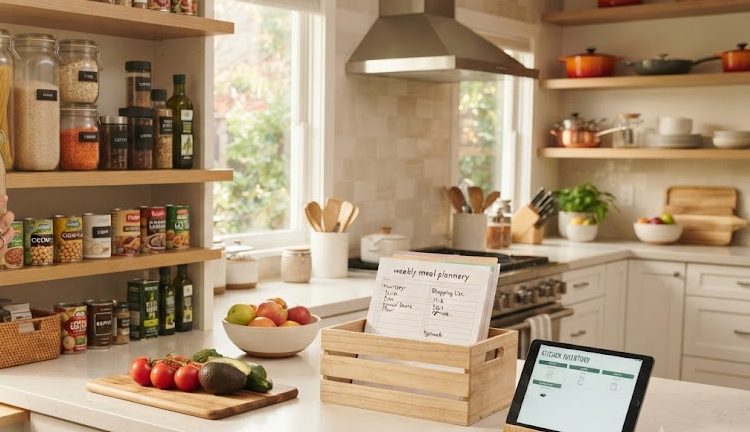
A basic kitchen inventory system can make everyday cooking, grocery shopping, and meal planning much easier. You do not need complicated software or a detailed spreadsheet. A simple method that shows what you have, what you are running low on, and what should be used soon can be enough.
Kitchen ingredients have a habit of disappearing from view. A half-used bag of rice gets pushed behind a box of cereal, an extra can of beans sits on another shelf, and several similar spices end up scattered around the kitchen. Then, during the next grocery trip, it is easy to buy something you already own.
A practical inventory system solves this problem by creating a simple picture of your kitchen supplies. The purpose is not to count every item every day. Instead, it helps you make better decisions with less searching and guesswork.
Start With the Ingredients You Actually Use
The easiest mistake is trying to inventory the entire kitchen in one sitting. That can turn a useful idea into a tedious project.
Begin with the foods and supplies that regularly affect your meals. Think about everyday staples such as grains, pasta, cooking oils, canned foods, breakfast ingredients, sauces, spices, snacks, and frequently used baking products.
Staples you use several times each week.
Ingredients you use often enough to restock regularly.
Items that are rarely purchased or have little impact on shopping.
Divide the Inventory Into Simple Zones
A useful inventory becomes easier when it follows the physical layout of your kitchen. Instead of one enormous list, separate supplies into broad areas.
This structure gives you a quick mental map. When you update the inventory, you know exactly where to look.
Choose One Simple Tracking Method
Your inventory system should fit naturally into your routine. A notebook can work just as well as a digital list if you are more likely to use it.
Some households prefer a note on their phone. Others may use a spreadsheet, a printed checklist, or a small whiteboard near the kitchen. Choose the method that takes the least effort to maintain.
The best system is the one you will actually update
A beautifully designed inventory that takes twenty minutes to maintain every week may be less useful than a simple checklist that takes two minutes.
Use Three Basic Status Levels
You rarely need precise measurements for everyday inventory management. A simple status system can tell you what matters at a glance.
Enough for normal use
Should be considered soon
Needs replacement
These categories can be adjusted to suit your household. The important part is having a consistent definition of “low” so you know when an ingredient belongs on the shopping list.
Set a Minimum Amount for Important Staples
Some ingredients are worth monitoring more closely because running out can disrupt several meals. Instead of waiting until the package is completely empty, decide on a comfortable minimum level.
For example, if your household uses rice regularly, you might decide that once your supply falls below the amount you normally need for several meals, it should be added to the grocery list.
The exact amount will be different for every household. The useful part is having a personal threshold rather than relying on memory.
Do not wait until an essential ingredient reaches zero. Add it to your shopping list when it reaches the level at which replacing it becomes sensible.
Keep a Separate “Use Soon” List
An inventory should not only tell you what to buy. It should also remind you what you already have and should use before purchasing more.
Create a small section for ingredients that need attention. Fresh produce, opened packages, leftover ingredients, and other suitable foods can be noted here.
This turns inventory into a meal-planning tool. Instead of asking what to buy first, you can ask what meals could use the ingredients already waiting in your kitchen.
Connect Your Inventory to Your Grocery List
A good kitchen inventory should make grocery shopping easier rather than create another separate task. When something reaches your chosen “low” level, add it directly to the shopping list.
During your regular grocery planning, review the inventory and remove anything you have decided not to purchase yet. This prevents the inventory and shopping list from becoming two unrelated systems.
Once this cycle becomes routine, inventory management takes very little thought.
Check for Duplicates Before Shopping
One of the most practical benefits of an inventory system is reducing unnecessary duplicate purchases.
Before buying another jar, packet, box, or can, quickly check the relevant inventory category. If you discover that two unopened packages are already available, you can adjust your shopping list accordingly.
This is especially helpful for ingredients that are easy to overlook because they are stored in different cabinets or shelves.
Keep the Inventory Easy to Read
A long list filled with unnecessary information can become difficult to use. For everyday purposes, keep each entry short.
A practical inventory format
| Ingredient | Status | Action |
|---|---|---|
| Rice | Stocked | None |
| Pasta | Low | Buy |
| Canned tomatoes | Use soon | Plan a meal |
Do a Quick Inventory Check Before Meal Planning
Once or twice a week, take a quick look at the inventory before deciding what meals to prepare. You may already have ingredients that can form the foundation of several dishes.
For instance, a few pantry staples combined with vegetables, a sauce, or another ingredient you already own may provide the starting point for a simple meal. This approach can reduce unnecessary shopping and make use of supplies that might otherwise sit untouched.
Do Not Track More Than You Need
Inventory systems often fail because they become too detailed. Recording exact quantities of every spice, snack, condiment, and small ingredient can create more work than value.
If you rarely run out of an ingredient, there may be no reason to monitor it closely. Focus your attention on foods where knowing the current supply actually changes your shopping or cooking decisions.
Remember that the inventory is a tool, not a second job.
Review the System After a Few Weeks
After using your inventory for a few weeks, notice where it helps and where it creates unnecessary effort.
- Which ingredients do you repeatedly forget to track?
- Which categories are too detailed?
- Which staples run out unexpectedly?
- Which foods do you consistently overbuy?
- Would a phone note, paper list, or spreadsheet be easier?
Use those observations to simplify the system. A good inventory should become easier with experience, not more complicated.
Keep Your Inventory Simple Enough to Use
A basic kitchen inventory system does not need to track everything in your home. Start with the ingredients that matter most, divide them into practical categories, give important staples minimum levels, and connect low-stock items directly to your grocery list.
Add a small “use soon” section so the system helps you consume what you already own. With a quick weekly review, your inventory can become a quiet background habit that saves time, reduces duplicate purchases, and makes everyday meal planning more straightforward.